.jpg)
Planning a home extension or major renovation? Homeowners are often surprised by how many specialists are typically involved in bringing a project to life.
What often begins as a conversation with an architect or builder quickly expands into a network of consultants, each with their own expertise, responsibilities, and timelines.
Why Home Projects Involve So Many Specialists And How They’re Coordinated
When Powell Design & Construction was created, the intention was simple: bridge the gap between architecture and construction so the original design intent never gets lost in delivery.
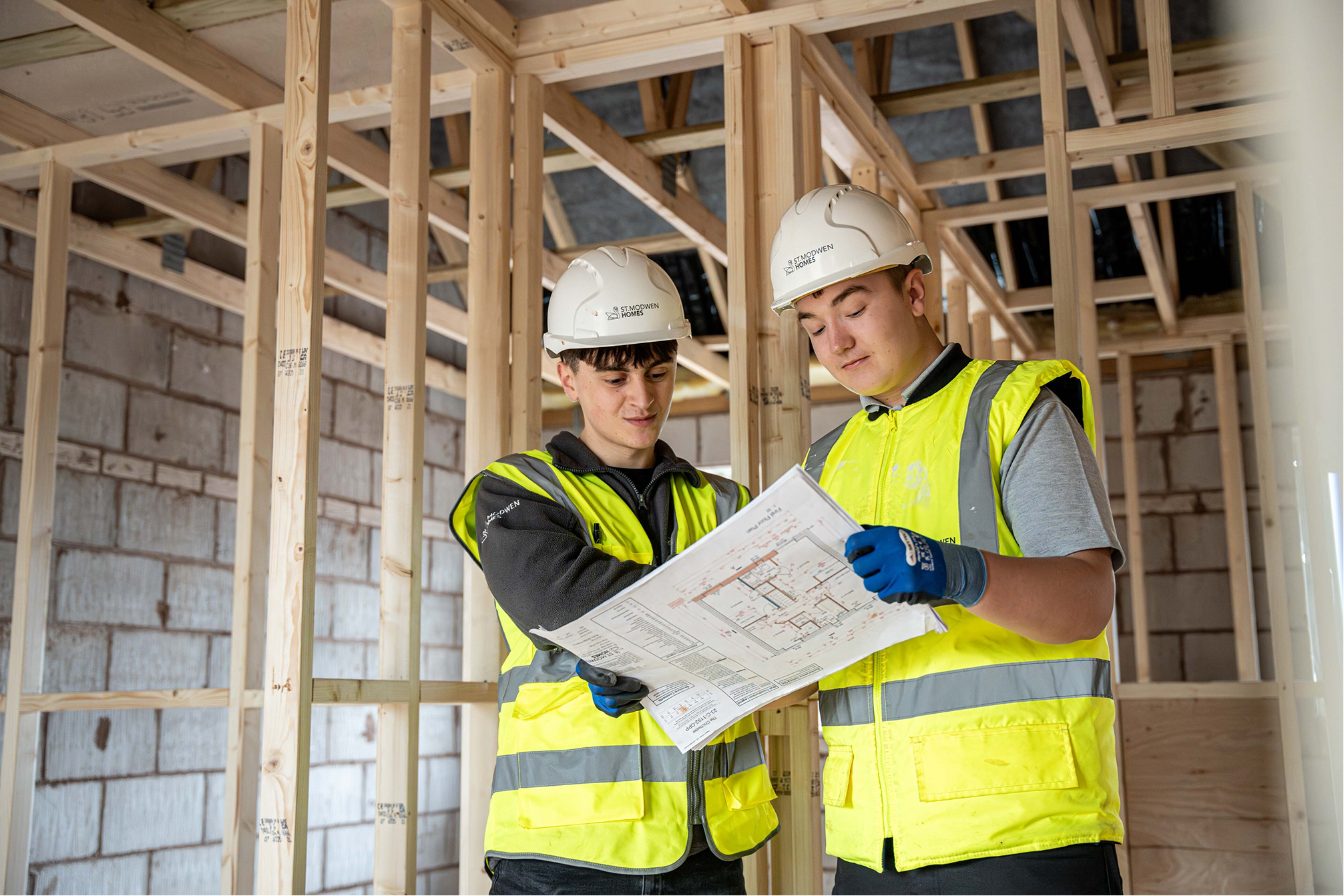
Successful home extension, renovation and new build projects require a team of skilled professionals, and someone experienced coordinating them.
In this article, we explore who is typically involved in an extension, renovation or new build, and when you may need them, so you can better understand the process and why working with an established team makes such a difference.
The Specialists Commonly Involved:
Structural Engineers - Calculate load-bearing requirements and design steel beams or foundations. Essential when removing walls, adding floors, or extending significantly.
Quantity Surveyors - Manage material costs, track budget throughout the build, and help prevent cost overruns through accurate forecasting.
Party Wall Surveyors - Manage statutory requirements where work affects neighbouring properties. In many cases, this is a legal obligation.
Energy Assessors - Calculate thermal performance and ensure new work meets current building regulation requirements for insulation and efficiency.
Ecology Consultants - Assess environmental impact, particularly important for rural properties or older buildings that may house protected species, and provide reports required to support planning applications.
Planning Consultants - Support more complex or sensitive planning applications, advising on policy and the best route through planning.
Heritage Consultants / Conservation Specialists - Essential for listed buildings or properties within conservation areas.
Building Control Surveyors - Inspect works at key stages to ensure compliance with current building regulations and safety standards.
Landscape Architects - Design outdoor spaces that complement your new build and resolve drainage, levels and integration with the building.
Topographical Surveyors - Produce detailed site level surveys, especially important for sloping sites or complex external works.
Interior Designers - Coordinate finishes, fittings and spatial detailing to complement the architectural design.
Not every project requires all of these specialists, but many require several.
Why So Many People?
Modern building regulations are layered and detailed. Energy performance standards, structural safety requirements, environmental protections and planning policy all require specialist input.
These disciplines frequently overlap. A structural beam can affect the insulation strategy. Ecology findings can influence planning. Thermal calculations can impact detailing.
Each specialist also works to their own timeline. Ecology surveys are seasonal. Structural calculations must be completed before steelwork is ordered. Energy assessments need to align with building control submissions.
Without coordination, small delays can quickly compound.
The Coordination Challenge
Here's where it gets tricky for homeowners managing their own projects:
Finding the right people - Not all consultants specialise in residential work. Clear communication and reliability matter.
Timing everything correctly - Miss the seasonal window for a bat survey and your planning application may be delayed for months. Order materials too early and specifications may change.
Managing information flow - Engineers need current architectural drawings. Quantity surveyors need structural information. Energy assessors rely on both. Ensuring everyone works from the same set of documents requires oversight.
Speaking different languages - Each discipline uses its own terminology. Understanding what one consultant needs from another (or the client) requires translation.
Chasing updates - Keeping track of where each consultant is in their process, whether they have what they need, and when they'll deliver their reports becomes overwhelming quickly.
When coordination is fragmented, projects can experience:
- Delays caused by late reports
- Consultants working from outdated drawings
- Additional costs due to rework
- Gaps in compliance or sequencing
- Surveys booked too late in the programme
None of this is unusual. It is simply what happens when many moving parts are not aligned.
How We Handle the Coordination Side
At Powell Design & Construction, we've built long-standing relationships with trusted consultants and specialist trades.
When we need a structural engineer, we know who responds quickly and understands residential projects. When ecology surveys are required, we have contacts who understand local constraints and timing.
Our coordination approach includes:
Early planning - We identify the specialists needed from the outset, not halfway through the build.
Relationship management - We work with trusted partners, so we get prompt responses and reliable delivery.
Managed information flow - We ensure everyone is working from the latest drawings and updates.
Timeline management - We schedule consultant input to align with project stages and approvals.
Quality control - We review reports before they land with clients, flagging issues early.
Single point of contact - You deal with us directly, not a chain of separate consultants.
Our network is not simply a list of contacts. It is an established working team.
The Benefits of Working With a Turnkey Builder
Rather than becoming a temporary project manager for multiple consultants, you can focus on the exciting parts of your home project - choosing finishes, seeing your vision take shape, planning how you'll use your new spaces.
When challenges arise, and they often do in construction, you get the benefit of established relationships without the stress of building them yourself.
The question is rarely whether these specialists are required. It is how they are coordinated. While managing multiple consultants may appear straightforward in theory, the reality involves countless phone calls, email chains, and coordination challenges that can quickly become overwhelming.
A well-coordinated project protects design intent, programme and budget.
Your dream home project should be exciting, not stressful. Having the right team in place, and someone experienced aligning them, makes that possible.
At Powell Design & Construction we manage the required specialists for residential projects across Staffordshire, Cheshire, Shropshire and beyond. Our established relationships and coordination systems support projects from concept through to completion.
Please get in touch to discuss your home renovation, extension, landscaping, or build project.