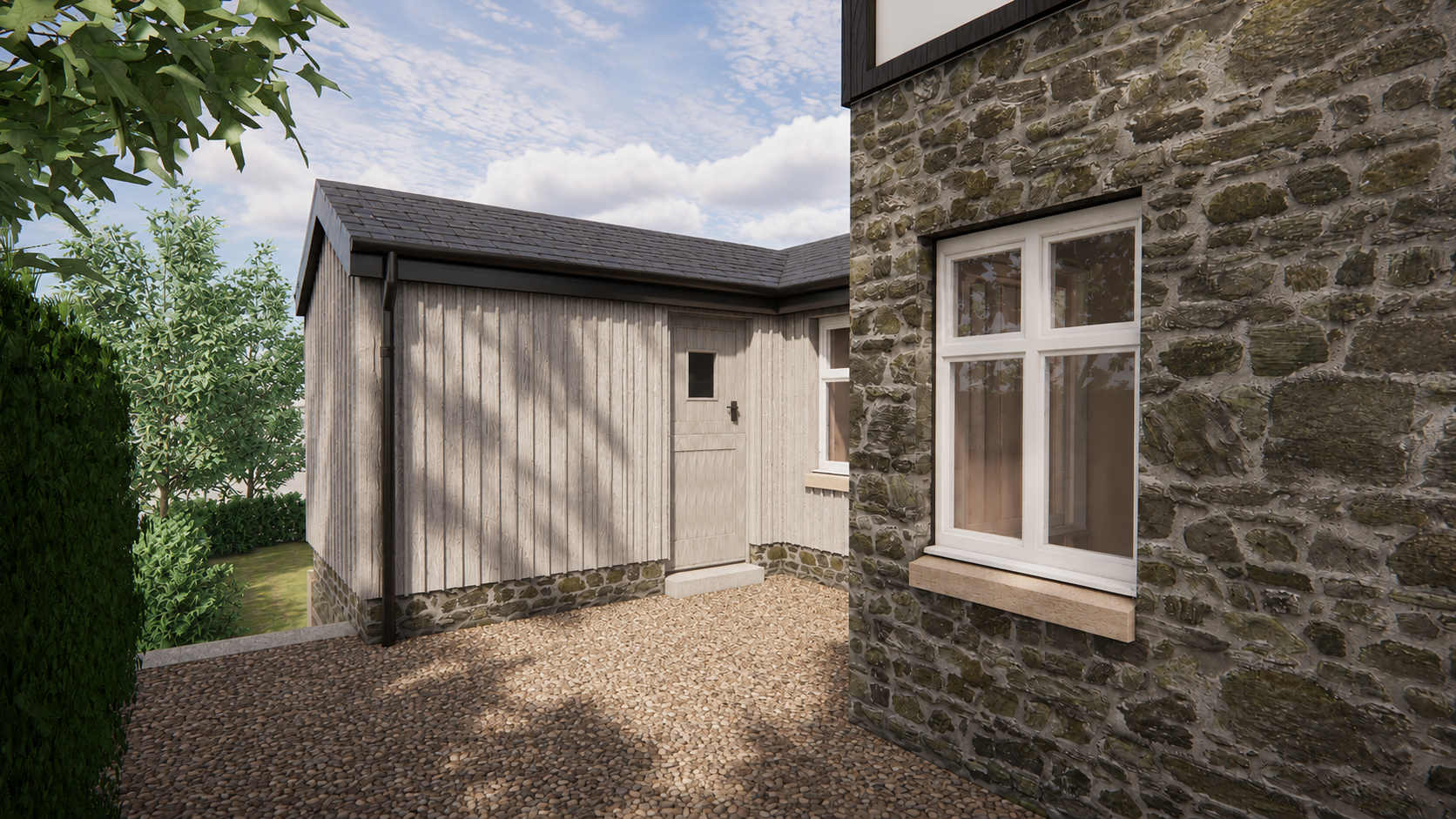
Planning a home renovation or extension? Here's what actually happens before the build begins, and why the stages most people overlook are often the most important.
Most people picture a home renovation starting the moment a builder walks through the door. In reality, by the time construction begins, weeks or even months of preparation have already taken place. And for larger projects, there's an entire phase of work that needs to happen on site before a single new brick can be laid.
Not knowing about this catches a lot of homeowners off guard. It can affect timelines, budgets, and expectations.
So here's a straightforward guide to the stages of a home renovation that don't always make it into the glossy project reveals.

It Starts Long Before Anyone Sets Foot on Site
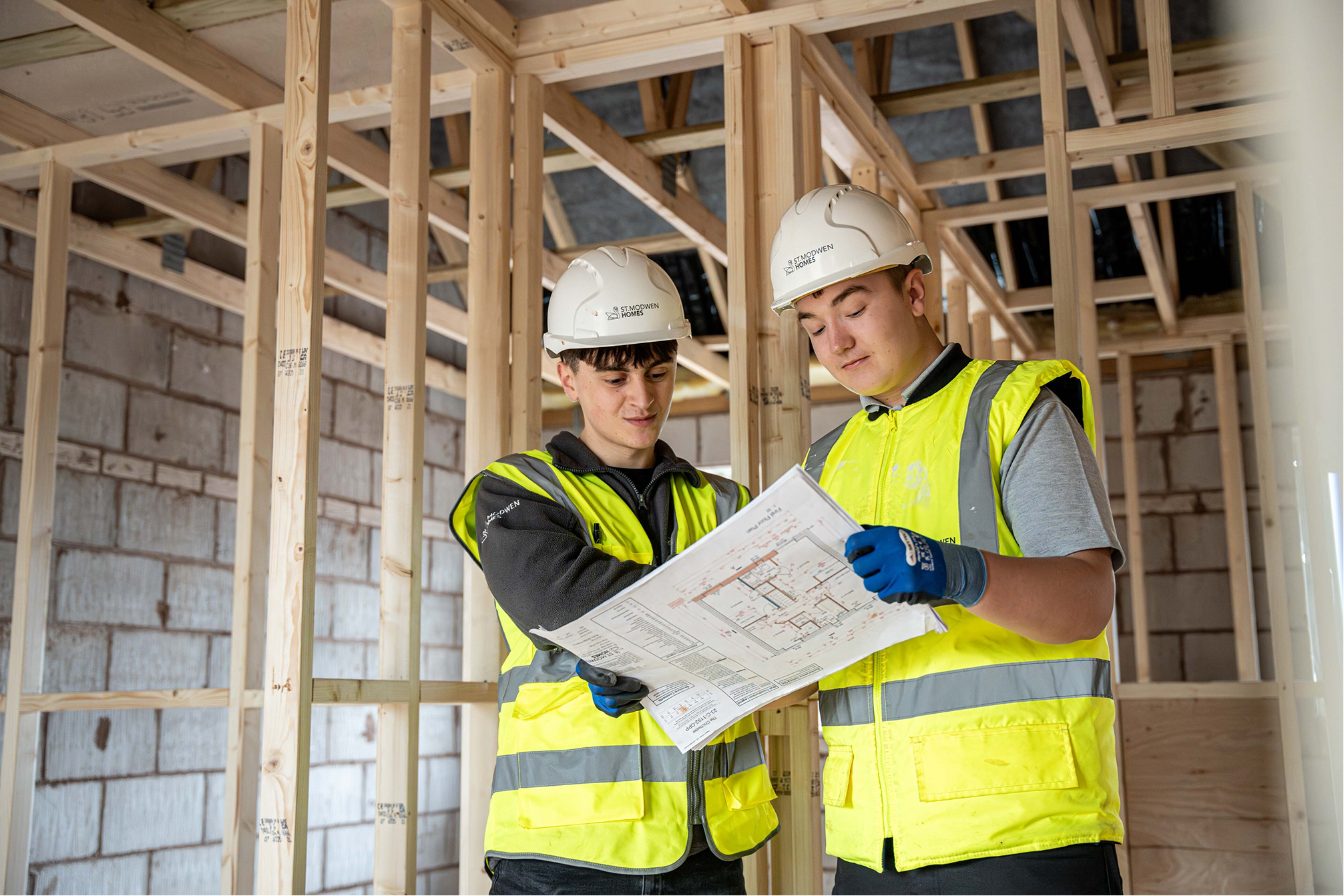
Before construction can begin, your project needs to go through a design and technical phase.
That means planning permission if required, technical design drawings, building regulations approval, structural calculations, and specification of materials and finishes.
Even if you already have planning permission in place, there's still a significant amount of technical work to be done before a build team can properly start. Drawings need to be developed to a construction level of detail, building control need to be satisfied, and everything needs to have been carefully considered from a buildability point of view.
Skipping or rushing this stage is one of the most common reasons projects run into problems on site. Decisions that weren't made at the design stage end up being made under pressure during construction, and that almost always costs more time and money than getting it right upfront.
What Are Enabling Works?
Once the design and technical phase is complete and a start on site is approaching, many projects require what is known as enabling works before the main construction phase can begin.
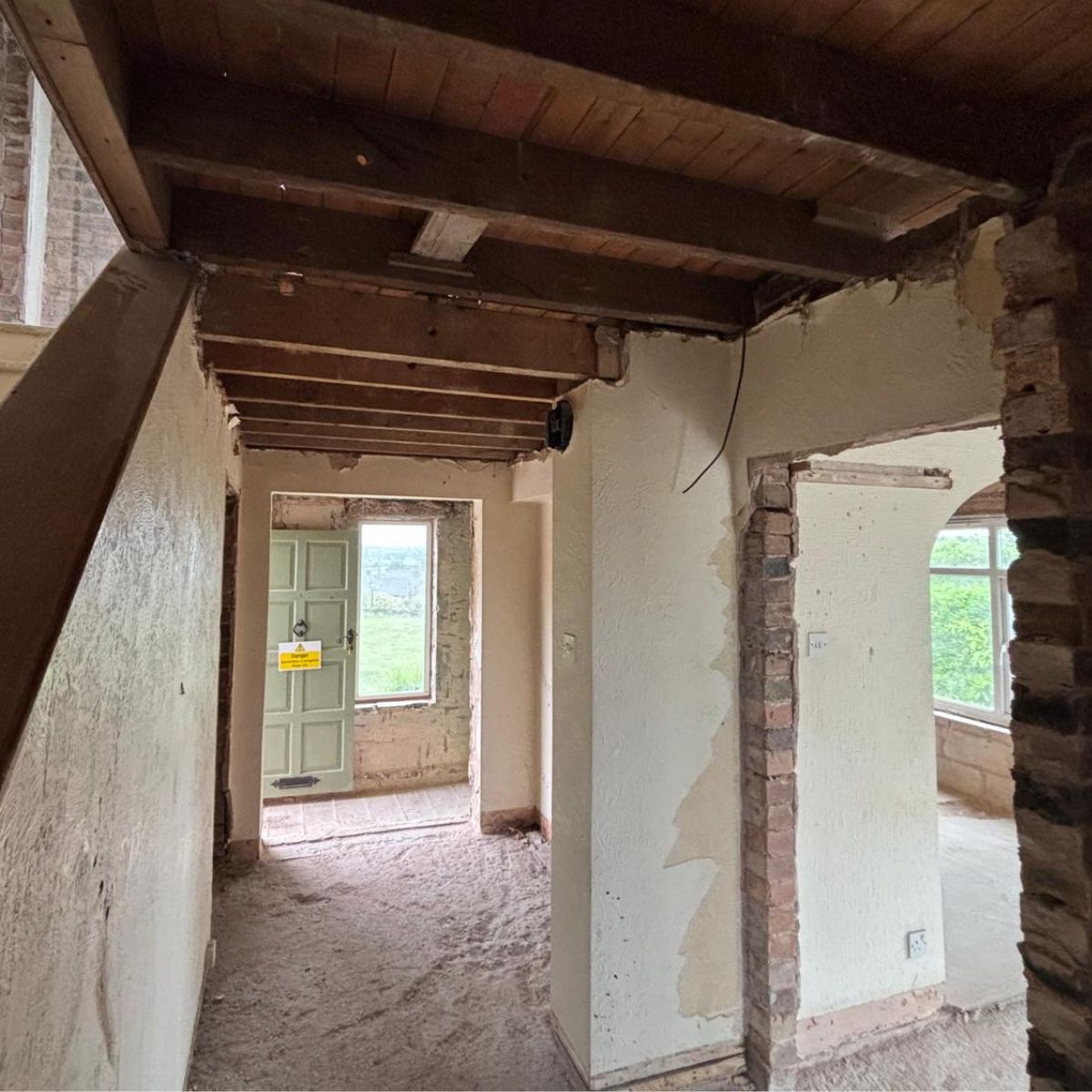
Enabling works is the term used for everything that needs to happen to prepare a building or site before the main build can properly get underway. Think of it as clearing the decks. Depending on the project, this can include:
- Strip out and demolition of existing internal elements
- Back to brick strip outs, removing plaster, old finishes, and redundant fixtures
- Removal of existing structures such as conservatories, outbuildings, or garages
- Asbestos surveys and removal
- Digging out existing floor slabs in preparation for underfloor heating
- Internal wall removals, subject to structural checks
- Site clearance and preparation of groundworks areas
It's not glamorous work. It won't make it onto many mood boards. But it is some of the most important work that happens on any project.
Why Enabling Works Matter
A clean, safe, and well-prepared site changes everything about how a build runs.
When a construction team arrives on site and the enabling works have been done properly, they can get straight to work. There are no hidden surprises behind walls, no materials that need to be cleared before groundworks can start, no asbestos discoveries mid-build that halt progress while specialists are brought in.
When enabling works haven't been done properly, or haven't been factored into the programme at all, the knock-on effect runs through the entire project. Delays stack up. Costs increase. And the build team ends up working around problems rather than building.
A Word on Asbestos
Asbestos is the one that makes a lot of homeowners nervous, and understandably so. But it's far better to know about it early than to discover it halfway through a build.
Any property built or refurbished before 2000 has the potential to contain asbestos containing materials. That includes artex ceilings, floor tiles, pipe lagging, roof sheets, and various other building materials that were widely used before the risks were properly understood.
Before any strip out or demolition work begins, a survey should be carried out by a licensed specialist. If asbestos is found, it needs to be removed by a licensed contractor before any other works can proceed. It's a controlled, well-understood process, and when it's planned for properly from the start it's manageable and straightforward.
The problems arise when it's not planned for, and it's discovered unexpectedly during construction.
Project Hillcrest: A Real Example
At our current project, Project Hillcrest, a stone property in the Staffordshire countryside undergoing a full renovation and three new extensions, enabling works were the first thing we organised before our construction team set foot on site.
We brought in our specialist partners at Sixtowns Waste to carry out a full back to brick strip out, conservatory removal, and asbestos removal. Only once that work was complete and the site was clean, safe, and properly prepared did our team begin groundworks for the rear extension, side extension, and front porch.
The result was a build team that could hit the ground running on day one, with no hidden surprises and no delays waiting for specialist contractors to catch up.
How to Prepare for Your Home Renovation
If you're planning a home renovation or extension, particularly on an older property, it's worth having an honest conversation with your design and build team about what the pre-construction phase actually involves before you agree a programme or a budget.
Ask whether enabling works will be needed. Ask whether an asbestos survey has been factored in. Ask whether the technical design is genuinely complete before construction is due to start.