A recent study by the Federation of Master Builders has thrown up a genuinely worrying finding: the vast majority of UK adults have never heard of one of the best routes into a construction career. With GCSE results day fast approaching, that's a gap worth closing, and quickly.
On 20th August, thousands of students across the UK will be collecting their GCSE results, and for a lot of them, the question of what comes next won't have a clear answer just yet.
As a family-run business, and as parents ourselves, we understand wanting the best possible path for your child.
As employers of apprentices and university placement students, and as people who regularly speak at local colleges and schools, we want to put one option on your radar that doesn't get talked about nearly enough: T Levels.
.png)
What are T Levels?
Launched in 2020, a T Level is a two-year technical qualification for 16 to 19-year-olds, designed to be the technical equivalent of A Levels.
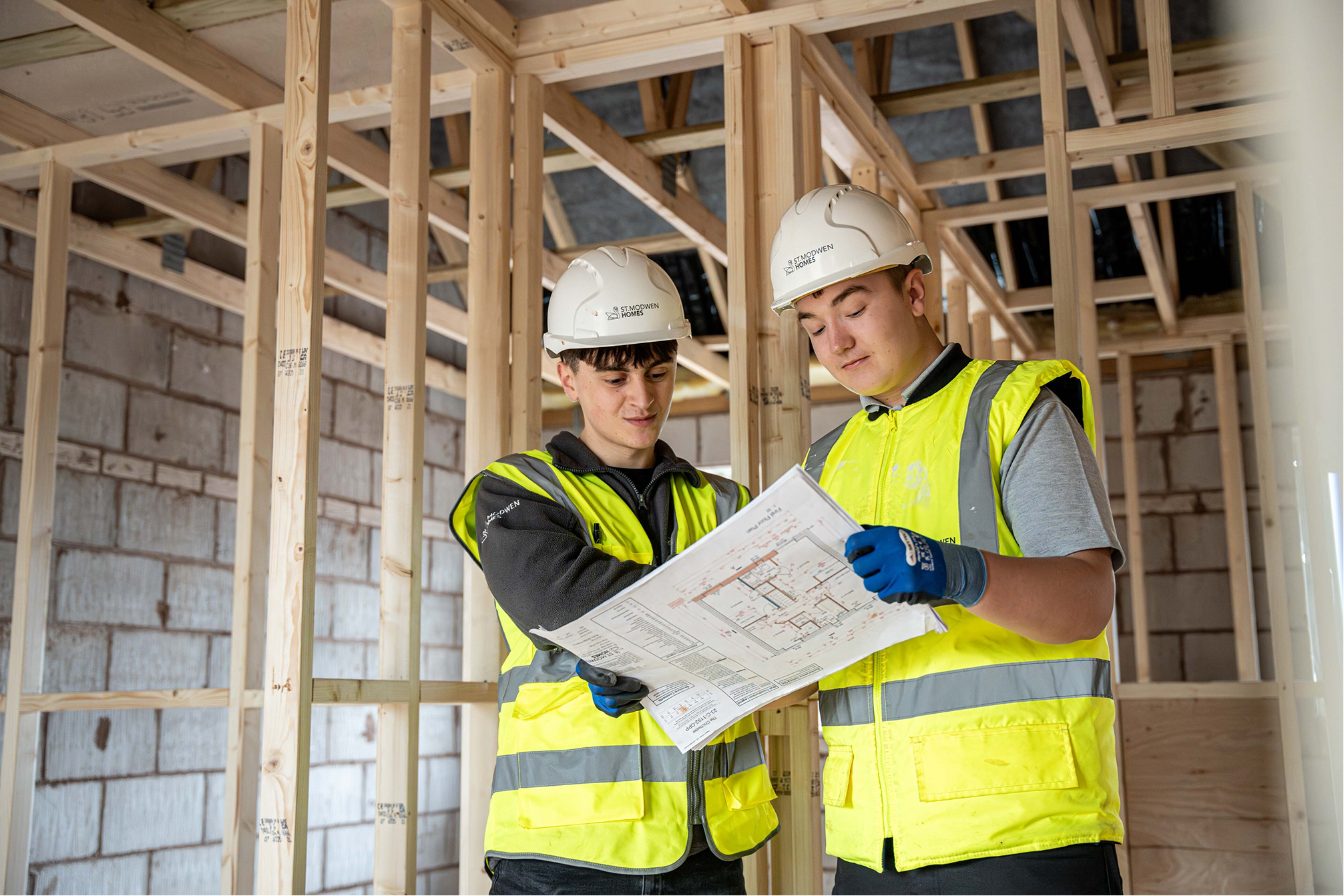
Unlike more theory-heavy routes, T Levels combine substantial classroom learning with at least 315 hours of industry placement, giving students real, hands-on experience alongside their studies.
For anyone with an interest in construction, design, architecture, or surveying, that combination could be really beneficial. It means students graduate having already worked on real projects, in real workplaces, rather than starting entirely from scratch once they enter the industry.
Why So Few People Know About Them
T Levels don't come close. Fewer than three in five adults have heard of BTECs, and awareness drops even further for T Levels, degree apprenticeships, and traineeships.
While around half of 16 to 18-year-olds are aware of T Levels, that figure falls to just 17% among people aged 65 and over, exactly the generation many young people turn to for advice on which route to pick.
Brian Berry, FMB Chief Executive, put it plainly: "Today thousands of teenagers will be handed a set of results and asked to choose what comes next. Our research shows that the people they turn to for advice — parents, grandparents, family friends — have never heard of one of the main routes into construction on offer. You cannot pick a path nobody has told you exists."
We'd like to help change that locally.
Our Own Experience with T Levels
We've seen the value of T Levels firsthand.
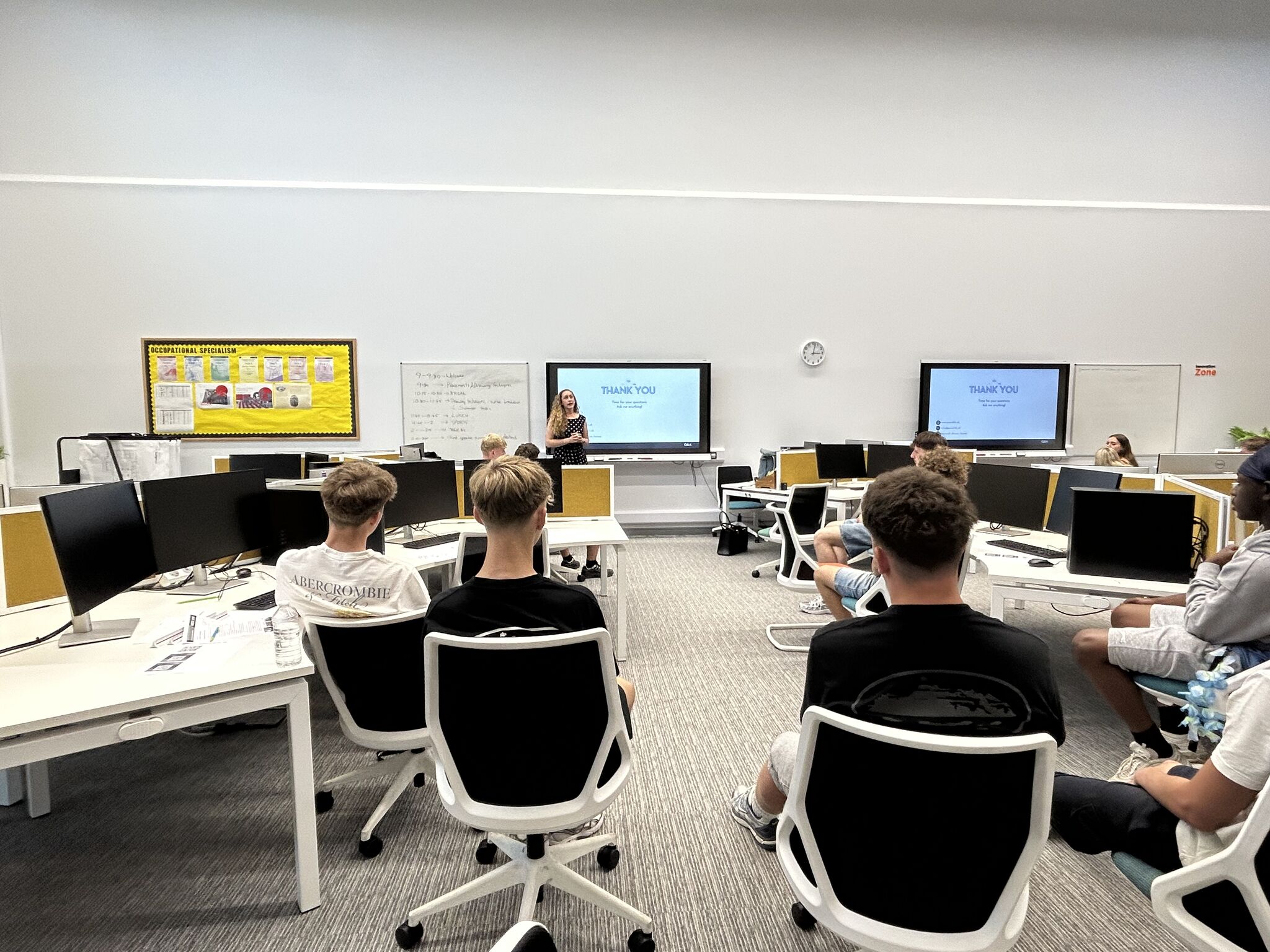
We've recently visited and spoken to T Level students at Newcastle and Stafford Colleges Group who are about to start their Design, Surveying and Planning for Construction course, and we've hosted tutors from Stoke-on-Trent College's T Level programme in our own office, giving them a real-world look at how a working design and construction business actually operates.
What stands out every time is how seriously these qualifications are taken, and how prepared the students coming through them are for the realities of the job, not just the theory of it.
.png)
Good for Students, Good for the Industry
Construction is an industry that desperately needs new talent, and needs it equipped with practical, real-world skills from day one.
T Levels are employer-designed specifically to close that gap, and for small businesses like ours, that makes a real difference when we’re hiring. It means less time spent on the basics, and more time developing useful skills on live projects.
If you're in Staffordshire, both NSCG (Newcastle and Stafford Colleges Group) and Stoke-on-Trent College offer T Level courses relevant to construction and the built environment. They're free for 16 to 18-year-olds.
If you, your child, a relative, or a friend has ever shown an interest in this industry, it's well worth looking into. It could be the start of something really good.