"Can you replace an old conservatory with a kitchen extension?"
In short, yes, you can replace your conservatory with a new kitchen by way of an extension — but it’s important to understand that it's rarely a straight swap.
At Acorn Cottage in Shropshire, this is exactly what we’ve been doing over the last few months.
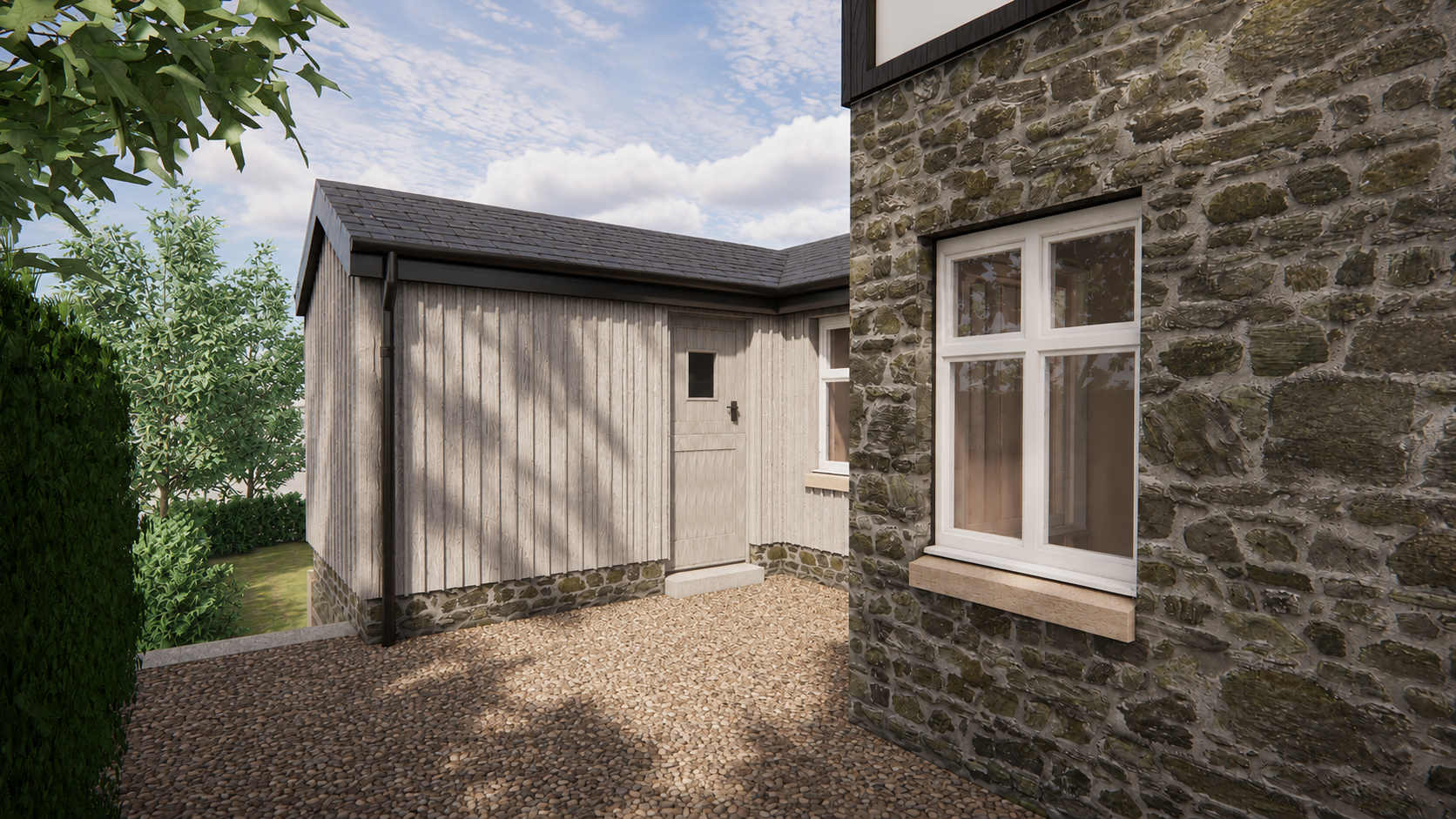
This 200-year old home originally had an old timber and stone conservatory that didn't work for how the new buyers (a new first time family) wanted their home to work and flow.
%20(1).jpeg)
Rather than trying to improve the outdated and poorly performing conservatory, we made the decision to remove it completely and build a new extension in its place.
"Do you need planning permission to demolish an old conservatory and replace it with an extension?"
From a planning point of view, projects like this can sometimes fall under permitted development, meaning full planning permission isn’t always required. But, that depends on things like the size of the extension, its height, and how far it extends from the original house. As a general rule, it needs to remain single storey, within certain size limits, and not take up too much of the garden.
That said, even if planning isn’t required, building regulations approval always is. A kitchen extension is a permanent structure, so it needs proper foundations, insulation, structure, electrics and drainage – very different to how a typical conservatory functions.
Lucky for our clients at Acorn Cottage, as a turnkey architectural design and build company, we take care of all the complex bits like planning permissions and building regulations!
"How do you move your existing kitchen into a new extension?"
Replacing a conservatory and building a new kitchen extension in its place means really rethinking the groundfloor layout of the house.
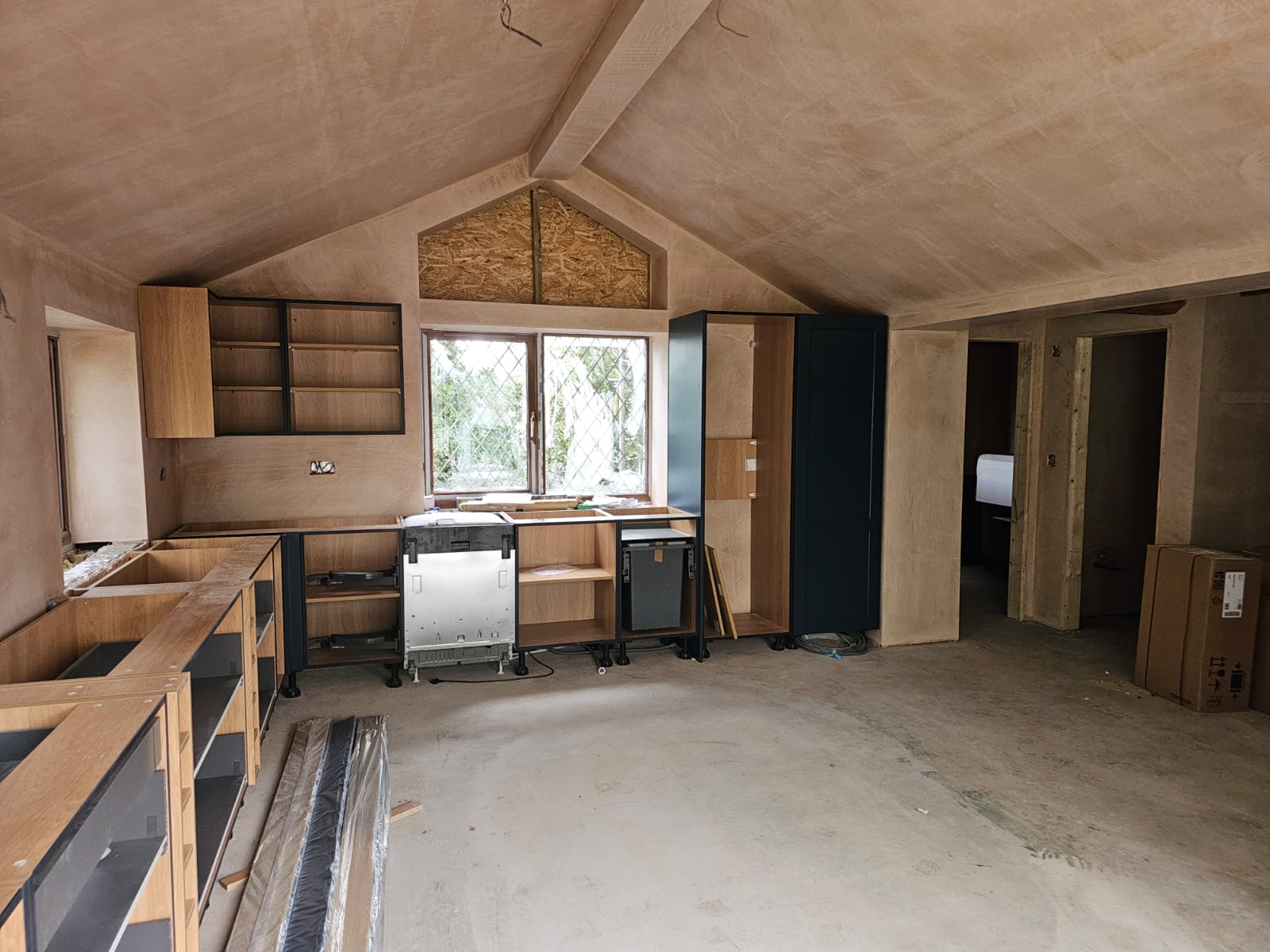
At Acorn Cottage, we’ve reconfigured the ground floor in order to relocate the smaller existing kitchen into the new extension space, making better use of natural light from the windows, a greater sense of height from the vaulted ceiling, and improving the connection to the garden.
When you're reconfiguring your layout and moving a kitchen (anywhere in your home) we have to think carefully about plumbing, drainage, heating, and electrics - making sure they are all planned properly before the build work begins.
In the case of Acorn Cottage, this prep work also included preparing for underfloor heating and allowing space for a future plant room within an adjoining utility room.
"What’s involved in building a kitchen extension from the ground up?"
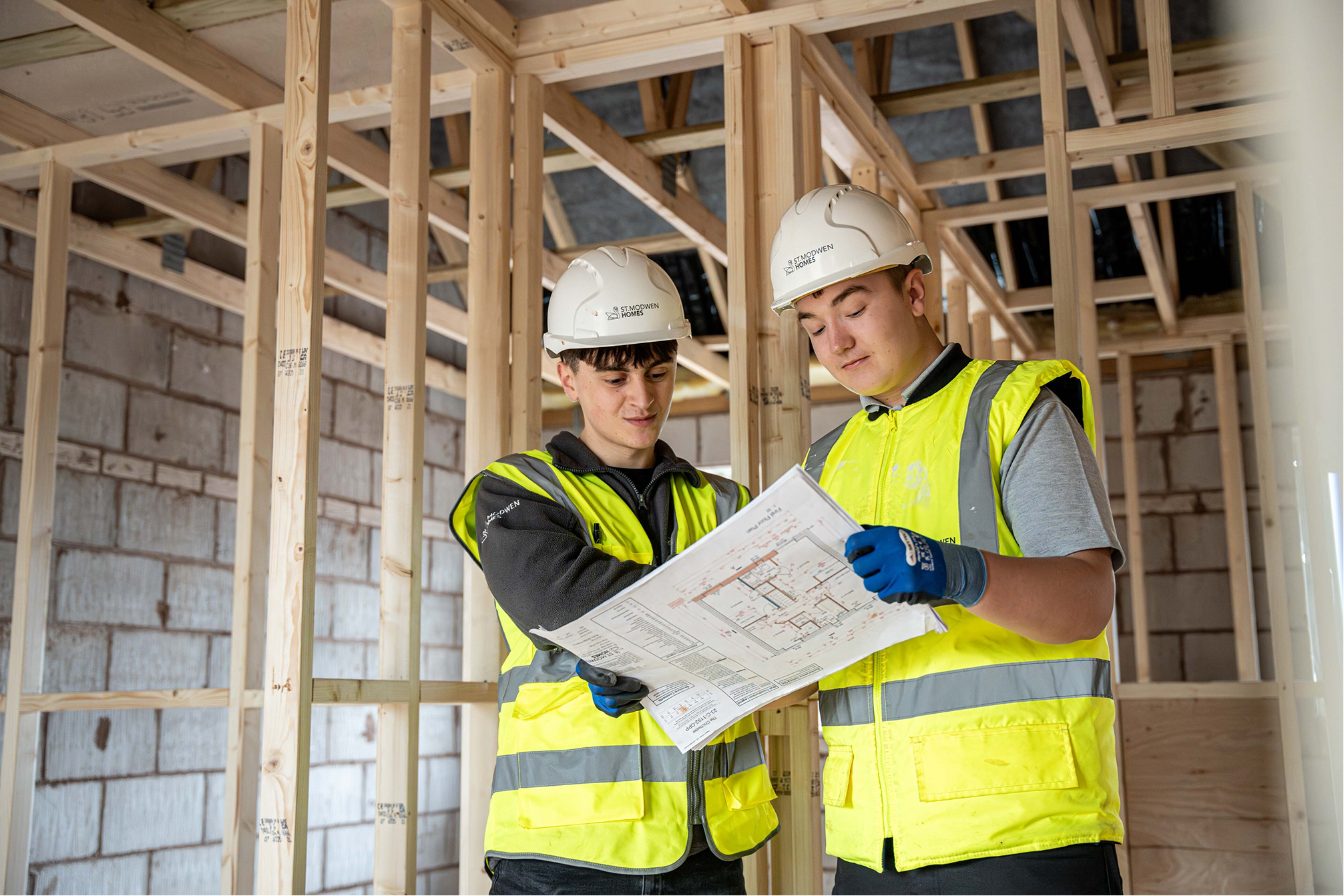
On site, the process at Acorn Cottage has taken around four months so far (including much wider home renovation works running parallel to the extension)
If removing a conservatory like we have done, the process starts with safely demolishing the existing structure and making the house temporarily as watertight and insulated as possible, especially where openings are exposed to the elements. From there, new foundations go in, followed by structural steel (where required) and blockwork to form the shell.
Once the structure is up, and the roof is formed — this is the best opportunity to introduce features like a vaulted ceiling or rooflights to maximise natural light, as we’ve done here. Your chosen windows and doors are then installed (these usually have long lead times, so preparation around this needs to be made in good time).
Inside, the space moves through insulation, first fix electrics and floor build-up for underfloor heating if required. This stage can sometimes feel slow — the space is still unusable, with no finishes and limited services — but it’s where everything is being set up properly behind the scenes.
After that, plasterboard and plastering are completed, usually followed by screed to the floor, which needs time to cure before anything goes on top.
From there, the kitchen installation can begin. Whether the client supplies the kitchen or we handle it as part of the project, it’s fitted to suit the space, often with bespoke elements to make the most of the layout. At Acorn, the bespoke cabinetry is now in, with quartz worktops next to be installed.
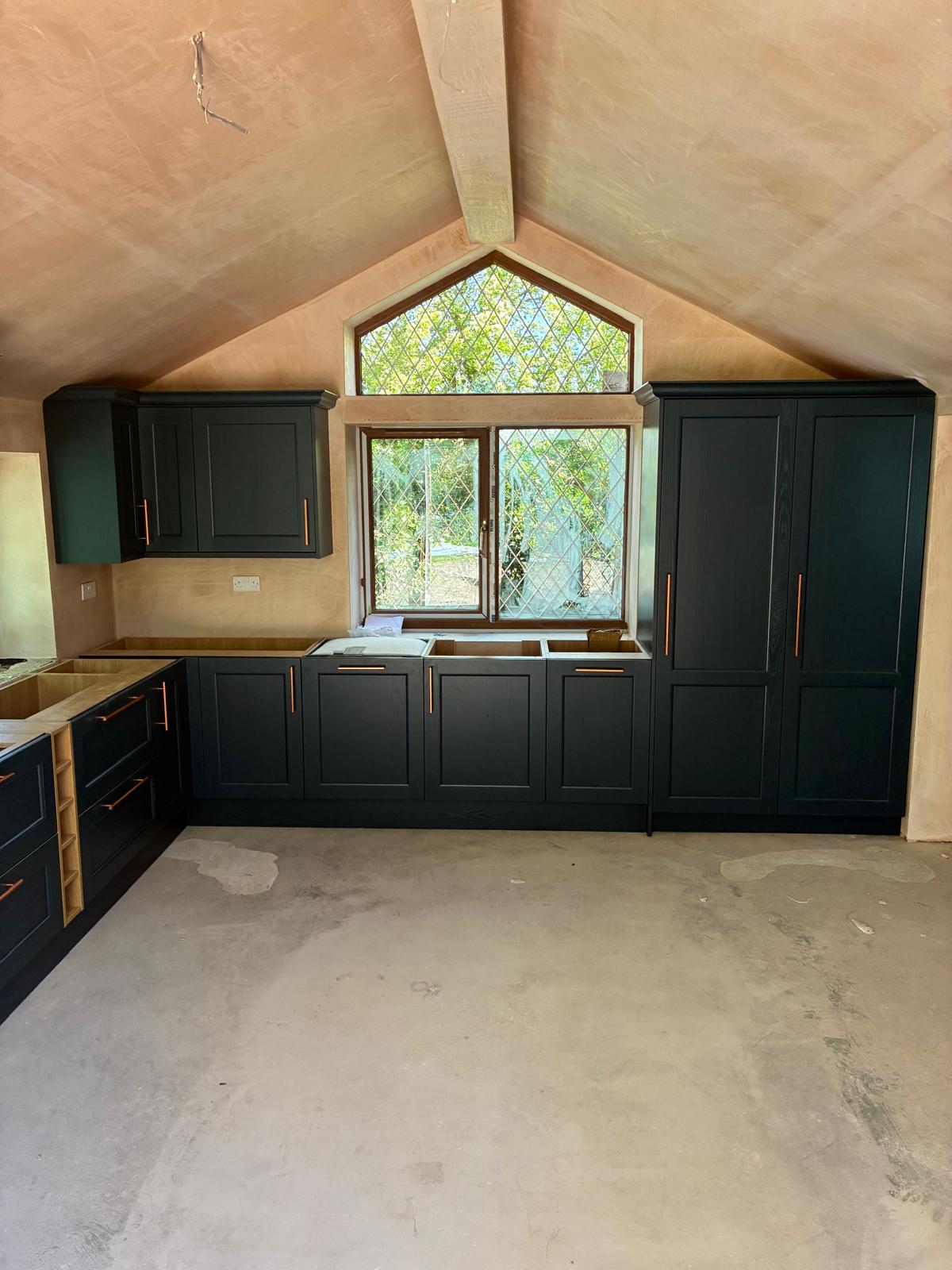
At the same time, we’ve also created a utility and plant room alongside the kitchen — something that’s much easier to incorporate at this stage than retrofit later.
It’s a steady process, but when everything is planned properly from the start, each stage builds on the last easily.
Acorn Cottage is a great example of how replacing an existing conservatory, rather than trying to adapt it, can completely change how a home works — not just by adding back the space, but improving how it’s used day to day.