Planning a home renovation or extension is the ideal time to think about improving your home’s energy efficiency.
Sustainable technologies such as air source heat pumps, underfloor heating, and solar panels can significantly reduce running costs and carbon emissions - but they work best when designed in from the start and matched to the right type of property.
Why Timing Matters?
Adding renewable technologies after a design is fixed can limit their performance. Heat pumps, for example, work at lower temperatures than traditional boilers, so they rely on good insulation, airtight construction, and correctly sized heating systems.
Underfloor heating pairs particularly well with heat pumps, but floor build-ups and layouts need to be planned early to accommodate pipework and insulation.
Solar panels also benefit from early design decisions, such as roof orientation, pitch, structure, and cable routes, all of which are far easier to resolve at the planning stage.
Designing the Whole Building as One System
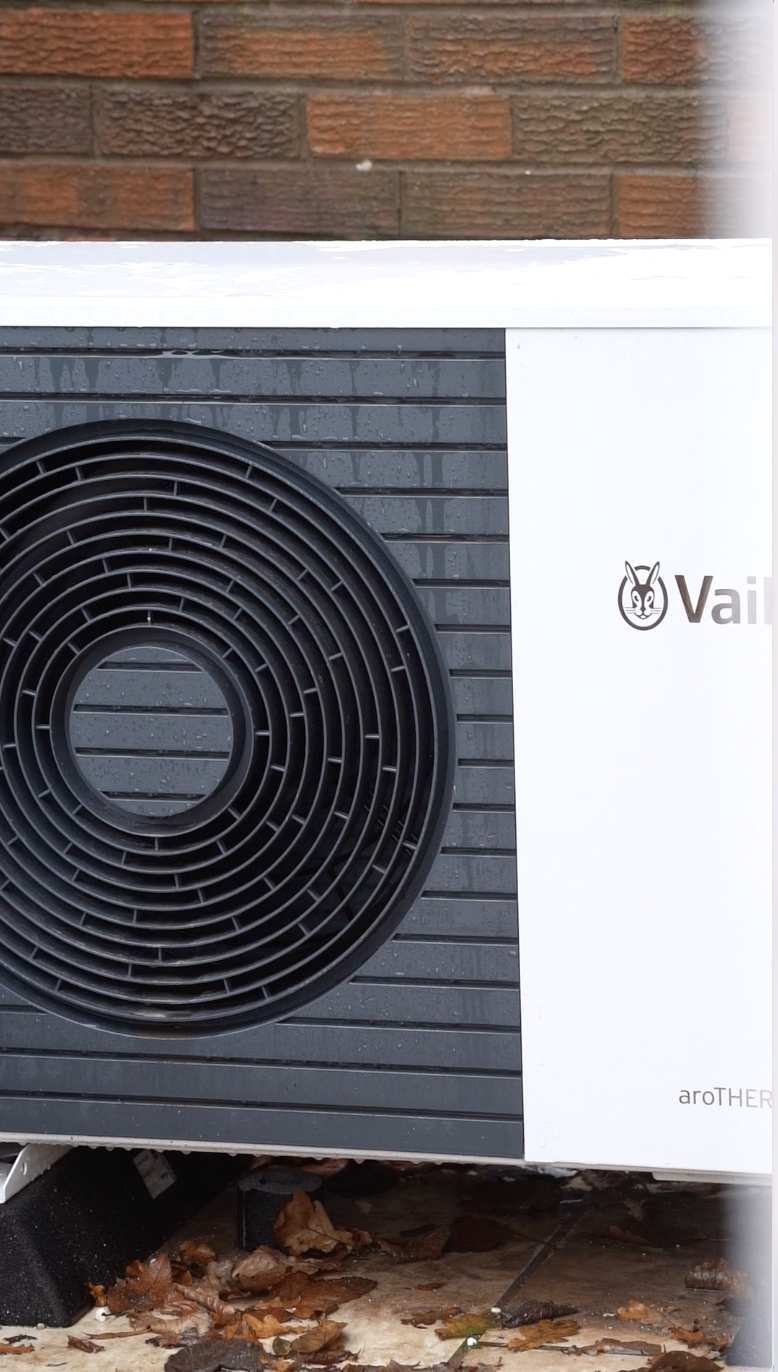
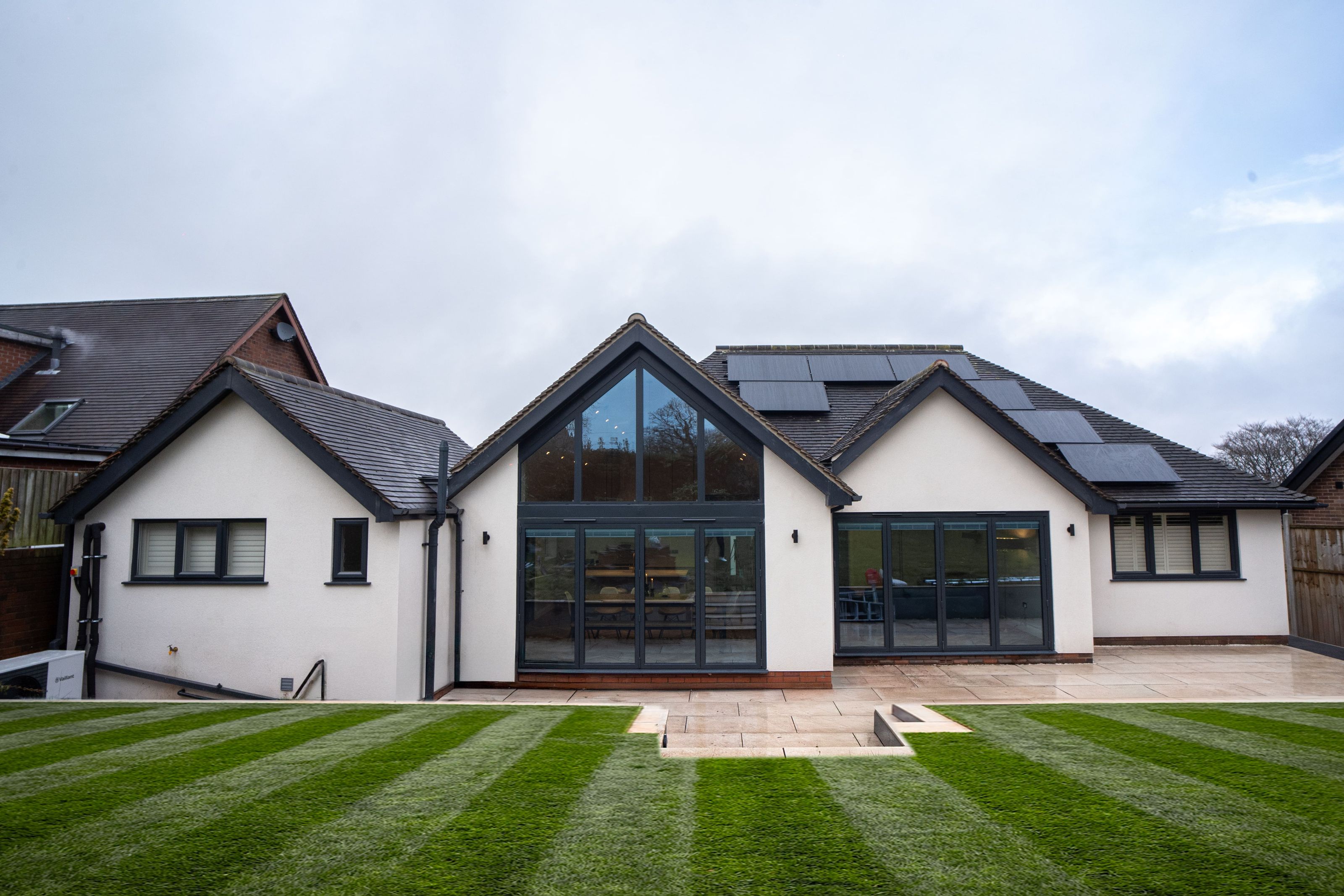
On projects like Project Winchester in Newcastle-Under-Lyme, we took a whole-house approach. The building fabric was fully upgraded, then paired with a Vaillant air source heat pump, underfloor heating and solar panels. By designing the structure and the services together, the systems could operate at low temperatures, improving efficiency, comfort and long-term reliability.
This 'fabric first' approach means the renewable technologies aren’t working harder than they need to, helping to reduce energy demand and running costs.
Are These Systems Right for Every Home?
Not all properties are suitable for the same solutions. Older buildings, listed homes, and certain extensions may require alternative strategies or hybrid systems. Understanding the limitations of each property type is just as important as understanding the technology itself.
Future-Proofing Your Renovation
If you’re planning a home renovation or extension and want to future-proof your property, the best time to discuss sustainability is at the concept design stage.
We find that early conversations allow for:
- Correct sizing of heat pumps and heating systems
- Efficient underfloor heating layouts
- Optimal solar panel positioning
- Integration with smart controls and battery storage
- Compliance with current and future building regulations
Designing sustainability in from the beginning leads to better performance, lower energy bills, and a more comfortable home.