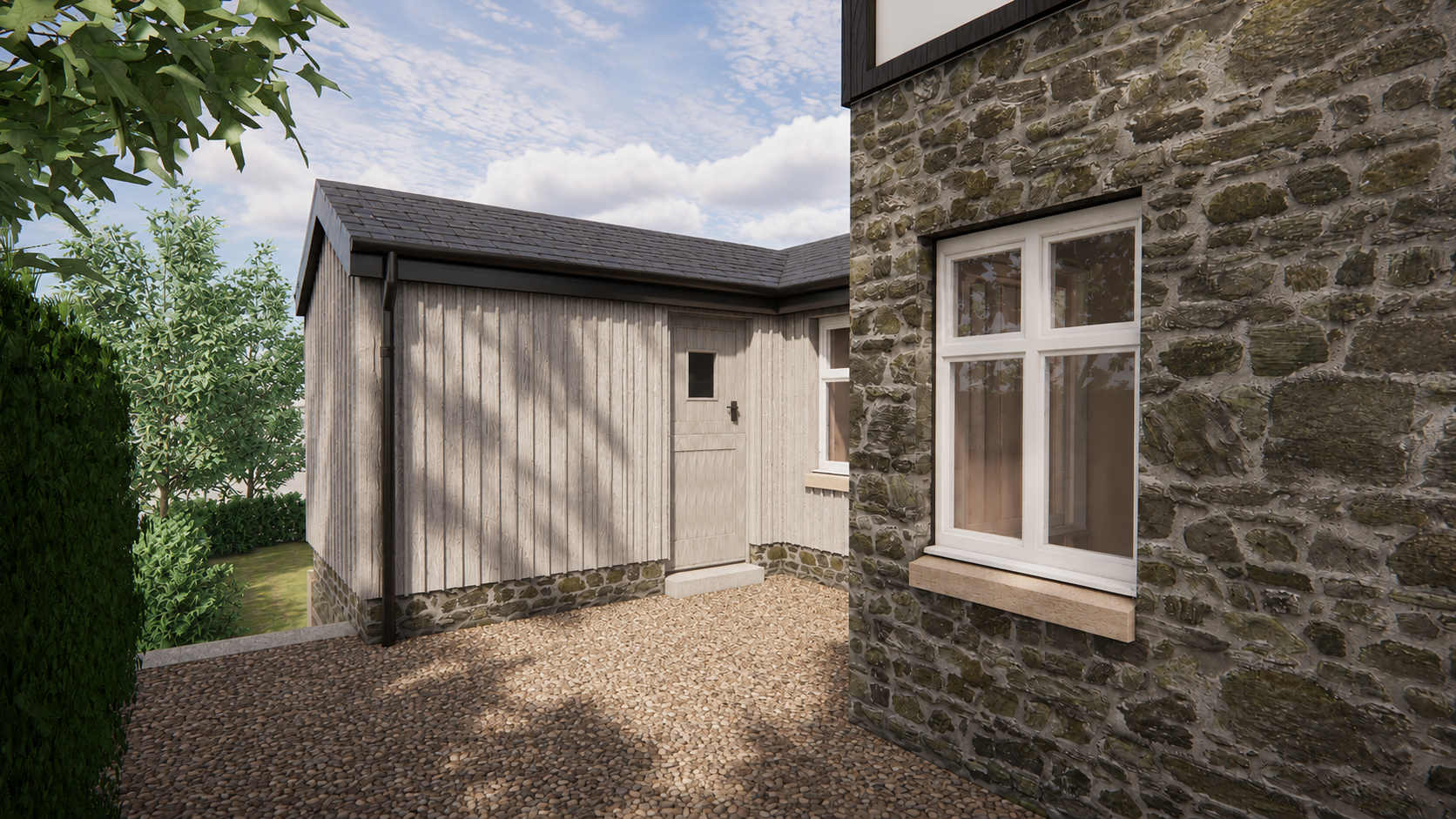
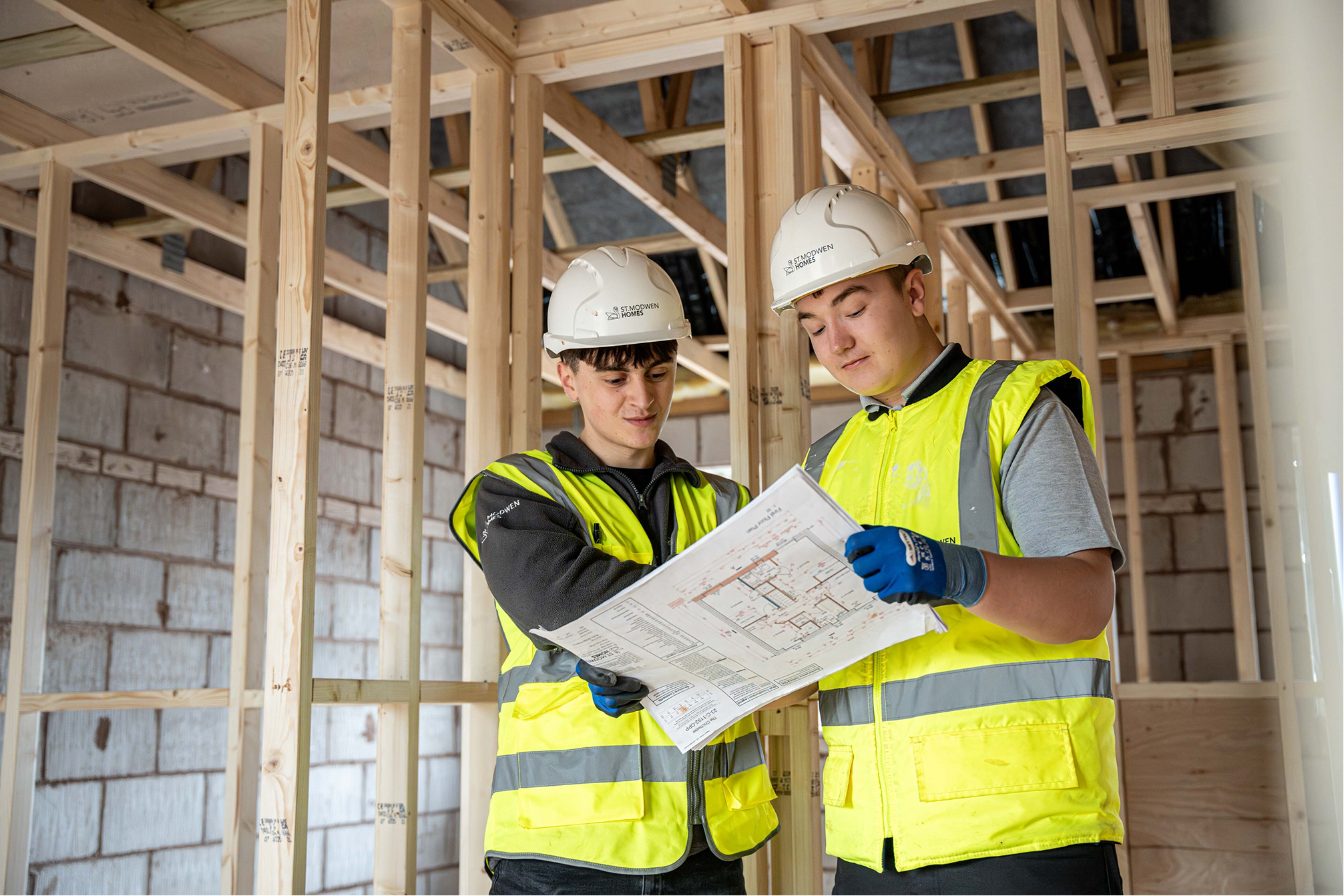
It’s no secret that garden rooms and outdoor buildings have become increasingly popular in recent years. From home offices and gyms to studios and wellness spaces – the possibilities are almost endless.
But once the idea of adding an outbuilding to your garden starts to take shape, one key question usually follows:
“Should I go for prefab, SIPs, or a traditional build?”
It’s a conversation we have regularly with clients in the early stages of planning their garden or landscaping.
Each option has its own advantages and considerations, and the right choice will depend on your priorities, budget, and site conditions.
If you’re currently weighing up your options, we've written a breakdown of each to hopefully help guide you!

Prefab Garden Rooms (Fully Modular)
Prefab garden rooms are manufactured off-site and delivered to your property ready to install. These are often supplied by specialist companies as complete, ready-made units.
Some manufacturers and suppliers offer fully installed turnkey solutions, while others provide DIY kits or configurable designs depending on your budget and level of involvement.
Pros of prefab garden rooms:
✔ Fast installation
✔ Predictable costs
✔ Minimal disruption on site
Considerations:
• Limited design flexibility
• Access required for delivery (cranes or large vehicles)
• Less opportunity for bespoke detailing
Prefab works well when speed, simplicity, and convenience are the main priorities.
.png)
SIPs Garden Rooms (Structural Insulated Panels)
SIPs are a modern method of construction where structure and insulation are combined into high-performance panels. These panels are manufactured off-site and then assembled on your property to form the walls, floor, and roof.
You can source SIPs in a few different ways, depending on how involved you want to be:
- Supply-only manufacturers (e.g. SIPs UK, Innovare, Kingspan TEK) provide the panels and technical drawings – typically used by builders or contractors
- Supply & install packages, where the supplier also assembles the structure on-site
- Design & build companies (like ourselves), where SIPs form part of a fully managed, turnkey project
You don’t have to build a SIPs garden room yourself. While SIPs can be used for self-build projects, they generally require experienced installation to ensure structural integrity, airtightness, and performance.
Pros of a SIPs garden room:
✔ Excellent thermal performance
✔ Faster than traditional build
✔ More design flexibility than prefab
Considerations:
• Requires skilled installation
• Still involves on-site construction
• Typically sits between prefab and traditional in terms of cost

Traditional Build Garden Rooms
Traditionally built garden rooms and outbuildings are constructed fully on-site using conventional building methods, much like a house extension.
This typically involves groundworks, foundations, structural walls (blockwork, timber frame or similar), insulation, roofing, windows, and internal finishes – all built up in sequence on your property.
Unlike prefab or SIPs systems, nothing arrives as a “kit” or pre-formed structure. Instead, the building is designed and constructed specifically for your site, your layout, and how you want to use the space.
Because of this, traditional builds offer the greatest level of flexibility. They can be tailored to suit complex sites, match existing materials, and integrate seamlessly with the main house or wider landscaping.
They’re often the preferred option for:
- Larger or more permanent outbuildings
- Projects requiring planning permission
- Designs that need to feel like a natural extension of the home
- Sites with access or ground constraints that limit prefab delivery
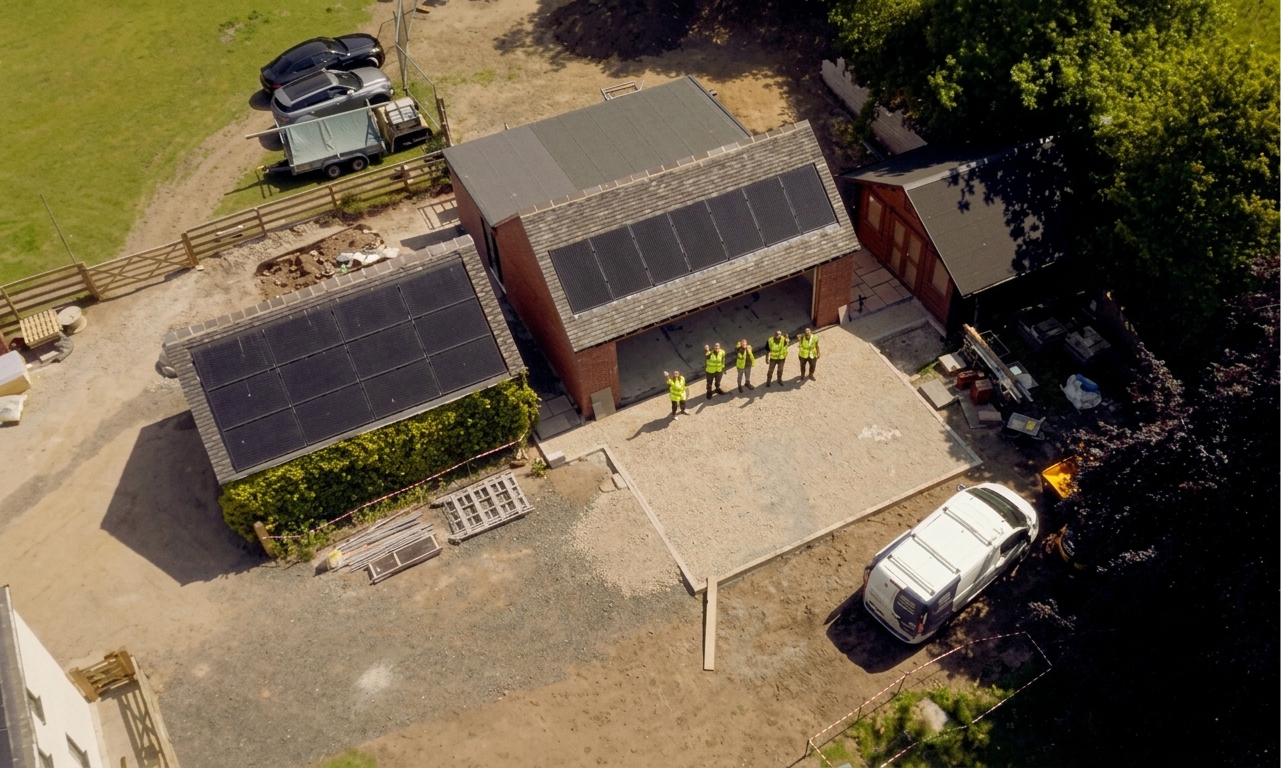
This is the approach we used at projects like Ashbourne Retreat, where the building needed to sit naturally within the landscape and accommodate more complex design elements, including a basement space.
Pros of a traditional or purpose built garden room:
✔ Maximum design freedom
✔ Easier to adapt to complex sites
✔ Seamless integration with the main property
Considerations:
• Longer construction programme
• More dependent on weather conditions
• Potentially higher labour costs
So, Which Should You Choose?
There’s no one-size-fits-all answer to which type of garden room or outbuilding you should go for. The right approach will depend on a balance of:
- Budget – are you looking for a quick and cost-effective solution, or are you wanting to invest in something more bespoke and long-term?
- Design ambitions – do you want something simple and functional, or fully tailored to the rest of your home or your lifestyle?
- Performance requirements – will the space be used year-round, and does it need high levels of insulation and comfort?
- Site constraints – is there enough access for delivery? Are there ground or layout limitations to consider?
- How you plan to use the space – a home office, gym, or leisure space will all have very different requirements
If you work from home and need a quiet, comfortable space year-round. You’ll likely benefit from something with strong insulation and airtightness. A SIPs build or a well-constructed traditional build will usually perform better here than a basic prefab option.
If you want a quick, low-disruption solution for occasional use. For something like a hobby room, garden sun room, or extra storage, prefab can be a great fit. It’s fast, efficient, and avoids a longer build process on-site.
If you’re creating a high-end or multi-use space. For gyms, indoor pools, wellness spaces, or buildings that need to feel like a true extension of the home, a traditional build often makes more sense. It allows for full design flexibility and better integration with your property.
It’s also worth remembering that an outdoor building should be seen as more than just a garden feature, it’s an extension of how you live and use your home.
Getting the construction strategy right from the outset can have a significant impact on cost, comfort, and long-term performance.
Need a Bit More Guidance?
If you’re considering a garden room, outdoor gym, or leisure building and aren’t sure which route is right for you, we’d be happy to talk it through. A short conversation early on can help you make the right decision from the start:
E: info@powelldc.uk
T: 01538 764028